Freight Brokers vs. Direct Carriers: What’s the Best Option?
Choosing the wrong freight mode doesn’t just affect your rate — it can mean damaged goods, compliance violations, or a carrier refusing your load at the dock. For shippers who don’t move freight every day, the difference between a dry van, a reefer, and a flatbed isn’t always obvious. This guide breaks it down simply.
What Is a Freight Mode — and Why Does It Matter?
A freight mode is the type of trailer or equipment used to transport your shipment. Different modes exist because different cargo has different requirements: some freight needs temperature control, some needs to be loaded from the side rather than the rear, and some can’t fit inside a trailer at all.
Booking the wrong mode means either your freight doesn’t fit, or you’re overpaying for equipment you don’t need. Getting it right means a smoother pickup, a cleaner rate, and freight that arrives the way it left.
Dry Van — The Workhorse of US Freight
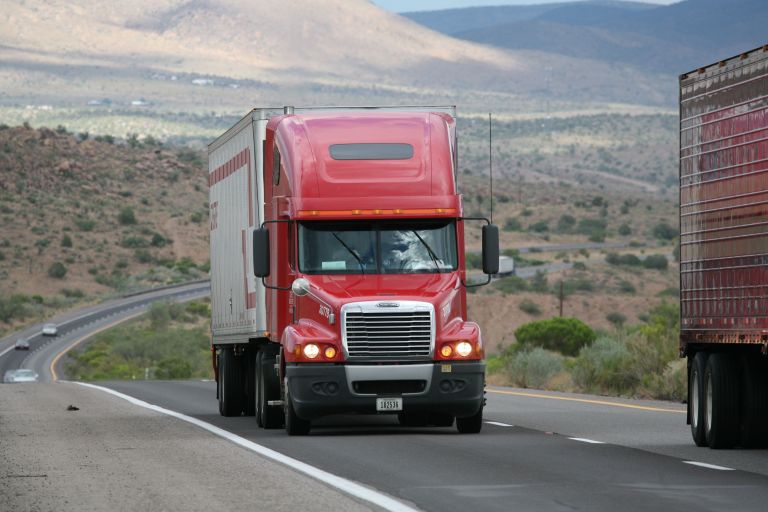
A dry van is a fully enclosed, temperature-ambient trailer — typically 53 feet long — that protects freight from weather without any active temperature control. It’s the most common trailer type on US roads, which means the most carrier options and generally the best rates.
✓ Best for
- Non-perishable, palletized or boxed goods
- Retail, consumer products, electronics, building materials
- Freight that loads through a rear door
- Maximum carrier availability and competitive rates
✗ Not the right fit when
- Your cargo requires refrigeration or a set temperature
- Your freight is oversized or irregularly shaped
- You need side or top loading
Ready to ship dry van? See Aries Dry Van services →
Reefer — When Temperature Isn’t Optional
A refrigerated trailer (reefer) is an enclosed trailer with an active cooling or heating unit that maintains a specific temperature range — typically from -20°F (deep frozen) up to 65°F (ambient cool). It costs more than dry van, but for temperature-sensitive cargo, it’s not optional.
✓ Best for
- Food, produce, dairy, meat, seafood, frozen goods
- Pharmaceutical and biotech shipments
- Any cargo requiring a validated temperature corridor
✗ Not the right fit when
- Your cargo doesn’t need temperature control (20–30% cost premium for nothing)
- Your freight is oversized or needs open-deck loading
FSMA Compliance Note
Under the FDA’s Food Safety Modernization Act (FSMA), food shippers are legally required to use temperature-controlled equipment and compliant carriers. Your broker should verify FSMA compliance before dispatch — not after.
Need refrigerated freight? See Aries Temp-Controlled services →
Flatbed / Open Deck — When Freight Won’t Fit Inside
A flatbed trailer has no sides or roof — just an open platform. This makes it the only viable option for oversized freight, heavy equipment, and cargo that needs to be loaded from the side or top. Flatbed loads are secured with straps, chains, and tarps, and may require permits for oversize or overweight moves.
✓ Best for
- Oversized, irregularly shaped, or unusually heavy freight
- Steel coils, lumber, machinery, construction equipment
- Cargo that needs crane, side, or top loading
- Over-dimensional loads requiring state permits
✗ Not the right fit when
- Your freight needs weather protection and fits in an enclosed trailer
- You’re shipping standard palletized goods better suited to dry van
Shipping oversized or open deck freight? See Aries Open Deck services →
Quick Comparison: Dry Van vs. Reefer vs. Flatbed
Use this table to quickly match your shipment to the right mode.
| 🚚 Dry Van | ❄ Reefer | ▬ Flatbed | |
|---|---|---|---|
| Best for | General, palletized, packaged freight | Temperature-sensitive goods | Oversized or open-load freight |
| Temperature control | None (ambient) | Yes (-20°F to 65°F+) | None (exposed) |
| Loading method | Rear door | Rear door | Side, top, or rear |
| Weather protection | Full (enclosed) | Full (enclosed) | None (tarped) |
| Relative cost | $ (lowest) | $$ (20–30% premium) | $–$$ (varies by permits) |
| Carrier availability | Highest | Moderate | Moderate |
| Compliance | Standard | FSMA (food), GDP (pharma) | Permits for OD loads |
Not Sure Which Mode You Need? Start Here.
Answer these three questions:
Does your freight need a specific temperature? → If yes, you need a reefer.
Does your freight fit inside a standard enclosed trailer? → If no, you need a flatbed.
Is your freight palletized, boxed, or standard size with no temperature needs? → Dry van is almost certainly the right call.
If your shipment falls between modes — for example, a refrigerated load that doesn’t fill a full reefer trailer — there are hybrid options worth exploring. Partial truckload (PTL) works well for mid-size loads, and LTL covers smaller shipments that share trailer space.
Aries Handles All Three — and Everything In Between
Most freight brokers specialize in one or two modes. Aries Freight Systems operates across all three — dry van, temperature-controlled, and open deck — with dedicated carrier networks for each. If your cargo mix spans multiple modes, one broker relationship covers everything: one call, one team, one point of accountability.
Aries Freight Systems
Not sure which mode fits your freight?
Our team will ask the right questions and match you with the right carrier — no guesswork required.
Get a Free Quote →